
Welfare Unit Without Mains Water
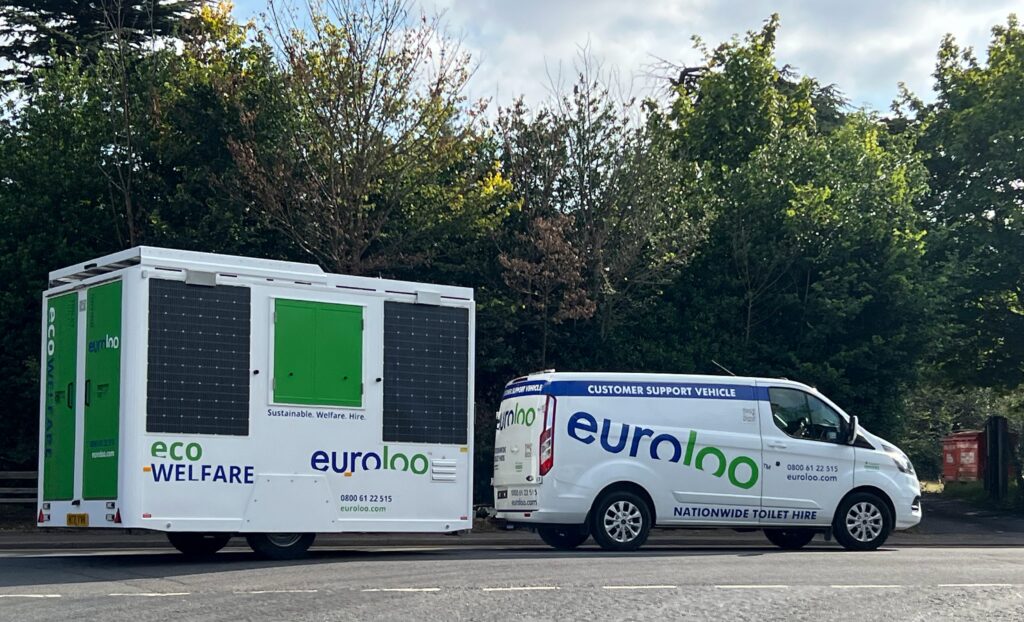
A welfare unit without mains water is a self-contained, mobile or static facility designed to provide essential hygiene, dining, and rest areas on sites lacking access to local utility networks. These units utilise internal fresh water storage tanks and waste management systems, often powered by hybrid or solar energy, to meet HSE (Health and Safety […]
Self Contained Welfare Unit No Water
In the evolving landscape of sustainable site management, the priority has shifted from simple utility to high-efficiency, low-impact infrastructure. Self contained welfare unit no water systems represent a pivotal innovation in this transition, offering robust facilities for workforce wellbeing without the logistical burden of external plumbing or constant bowser refills. By integrating chemical sanitation and […]
Welfare Unit Without Running Water
In the evolving landscape of site management, the welfare unit without running water has emerged as a pinnacle of self-sufficiency. This specialized facility provides essential hydration, sanitation, and rest areas for workers in locations where mains plumbing is inaccessible or environmentally impractical. By utilizing integrated storage tanks and innovative hygiene systems, these units offer a […]
Welfare Unit For Small Construction Site
Providing a high-quality welfare unit for small construction site operations is more than a legal obligation; it is a foundational step in fostering a productive, healthy, and environmentally conscious workforce. When space is at a premium and project timelines are tight, these compact hubs serve as the vital infrastructure that sustains your team’s energy and […]
Welfare Unit For Small Site
Managing a compact construction zone or a temporary maintenance project requires more than just logistical precision; it demands a commitment to the people doing the work. A welfare unit for small site operations is a self-contained, mobile facility designed to provide essential amenities—such as toilets, washing facilities, a canteen area, and drying rooms—where space is […]
Portable Toilet Servicing Frequency
Maintaining high standards of sanitation in remote or temporary environments is more than a logistical necessity; it is a fundamental pillar of public health and environmental stewardship. When we manage off-grid facilities effectively, we protect local ecosystems and ensure the well-being of every individual on-site. Determining the correct portable toilet servicing frequency is the critical […]
Welfare Unit For 3 Workers
Effective site management begins with a fundamental recognition: your team is your most valuable asset. When you deploy a welfare unit for 3 workers, you are not simply fulfilling a regulatory checklist; you are investing in the health, morale, and productivity of a specialized crew. These compact, highly efficient modules provide a sanctuary from the […]
Welfare Unit Servicing Frequency
Effective site management is the cornerstone of any successful project, ensuring that the human element of your operation is supported by the highest standards of hygiene and comfort. Understanding welfare unit servicing frequency is not merely a box-ticking exercise for legal compliance; it is a fundamental commitment to the health of your workforce and the […]
How Often Should A Welfare Unit Be Serviced
Ensuring the well-being of a workforce is a fundamental responsibility for any project manager or site lead. In the context of remote or temporary locations, providing high-quality facilities is not just about compliance; it is about fostering a culture of conscious consumption and respect for the people driving your project forward. Central to this mission […]
How Often Should A Portable Toilet Be Emptied
In the transition toward more sustainable infrastructure and conscientious resource management, understanding the logistics of sanitation is vital. Whether you are managing a remote construction site, a seasonal festival, or an off-grid living project, ensuring that facilities remain hygienic and functional is a cornerstone of operational success. A common question arises: how often should a […]