
What Power Does A Welfare Unit Need
Ensuring the well-being of a workforce is a fundamental responsibility for any project manager or site lead. When you deploy a mobile or static site facility, the central question is: what power does a welfare unit need? At its core, a standard welfare unit typically requires a power supply capable of supporting a 6kVA to […]
Does A Welfare Unit Need Mains Drainage
Providing for the fundamental needs of your team is a cornerstone of ethical site management. When you set up a temporary workspace, whether for construction, event hosting, or infrastructure repair, you are legally and morally obligated to provide adequate sanitation. A common question arises during the planning phase: does a welfare unit need mains drainage? […]
Does A Welfare Unit Need Electricity
Determining whether a site requires power for its amenities is a foundational step in project planning. When asking does a welfare unit need electricity, the short answer is yes: to meet modern health and safety standards, these facilities require a power source to provide hot running water, heating, lighting, and food preparation areas. However, this […]
Does A Welfare Unit Need Drainage
In the evolving landscape of temporary site management, the technical infrastructure of essential facilities often sparks debate. When planning a project, a fundamental question arises: does a welfare unit need drainage? The answer depends entirely on the specific engineering of the unit and its intended location. While traditional portable toilets and site cabins once required […]
Solar Powered Welfare Unit
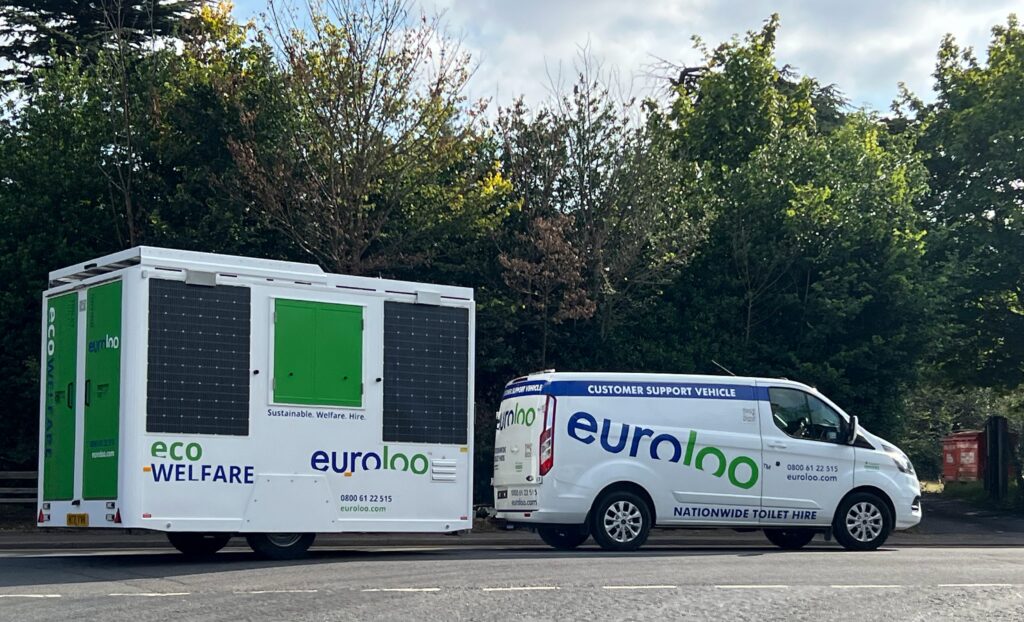
Providing essential onsite facilities no longer requires a compromise between worker comfort and environmental stewardship. A solar powered welfare unit is a self-contained, mobile facility designed to provide power, heat, sanitation, and rest areas for off-grid sites while primarily utilising photovoltaic energy. These units represent a significant shift in site management, replacing traditional, noise-heavy diesel […]
Does A Welfare Unit Need Mains Water
Providing essential facilities on construction sites, remote projects, or outdoor events is a fundamental responsibility for any site manager. When you are planning these logistics, one of the most common questions that arises is: does a welfare unit need mains water to function effectively? The short answer is no; a modern welfare unit does not […]
Off Grid Welfare Unit
Creating a productive work environment in remote locations involves more than just bringing tools to the site. It requires a commitment to the health, dignity, and safety of every team member. An off grid welfare unit provides an integrated solution for these needs, offering self-contained facilities that operate independently of mains water, electricity, or sewage […]
Welfare Unit With Generator
Choosing a welfare unit with generator is a strategic decision that bridges the gap between basic site compliance and operational excellence. These self-contained modules provide essential facilities for workers in locations where mains power and water are unavailable. By integrating a power source directly into the structure, we ensure that personnel have access to light, […]
Solar Welfare Unit
A solar welfare unit is a self-contained, mobile facility designed to provide essential amenities for workers—such as toilets, drying rooms, and kitchens—while primarily drawing power from integrated photovoltaic panels. These units significantly reduce reliance on diesel generators, lowering carbon emissions and operational costs on construction sites and remote projects. Implementing these systems allows organizations to […]
Self Contained Welfare Unit No Electricity
Modern infrastructure projects and remote operations often demand essential facilities in locations where the traditional power grid simply does not reach. A self contained welfare unit no electricity requirement refers to a mobile or static facility that provides sanitation, dining, and rest areas without needing a connection to the external electrical grid or mains water. […]