1. Ensuring Safety and Meeting Legal Requirements
UK health and safety regulations require employers to provide adequate welfare facilities on sites, including highways. Welfare units ensure workers have access to clean toilets, washing facilities and safe rest areas, helping to protect both their health and rights.
2. Enhancing Worker Comfort and Wellbeing
Long days of work under challenging conditions can take a toll. Welfare units give workers somewhere clean and sheltered to rest, eat and change, which improves comfort, reduces fatigue and supports morale.
3. Raised Productivity and Work Quality
When workers are not struggling to find basic amenities or battling harsh weather without relief, their efficiency improves. Good welfare units reduce downtime, leading to more consistent work output and better overall performance.
4. Flexible and Suitable for Different Project Sizes
These units come in different sizes and configurations. Whether a small crew needs basic amenities or a larger team requires toilets, showers, rest areas, canteens or office space, there are options to match the scale of the job.
5. Cost Effectiveness Over Time
Investing in welfare units may have upfront costs, but the returns include fewer disruptions, lower risk of health-related absences and reduced penalties for failing to meet regulations. Over time, these savings can outweigh initial hire or purchase costs.
6. Improved Morale Leads to Better Retention
Workers who feel their welfare and working conditions are cared for tend to perform better and stay longer. Providing high-quality rest and welfare facilities signals respect and investment in the workforce.
7. Supporting Sustainability and Innovation
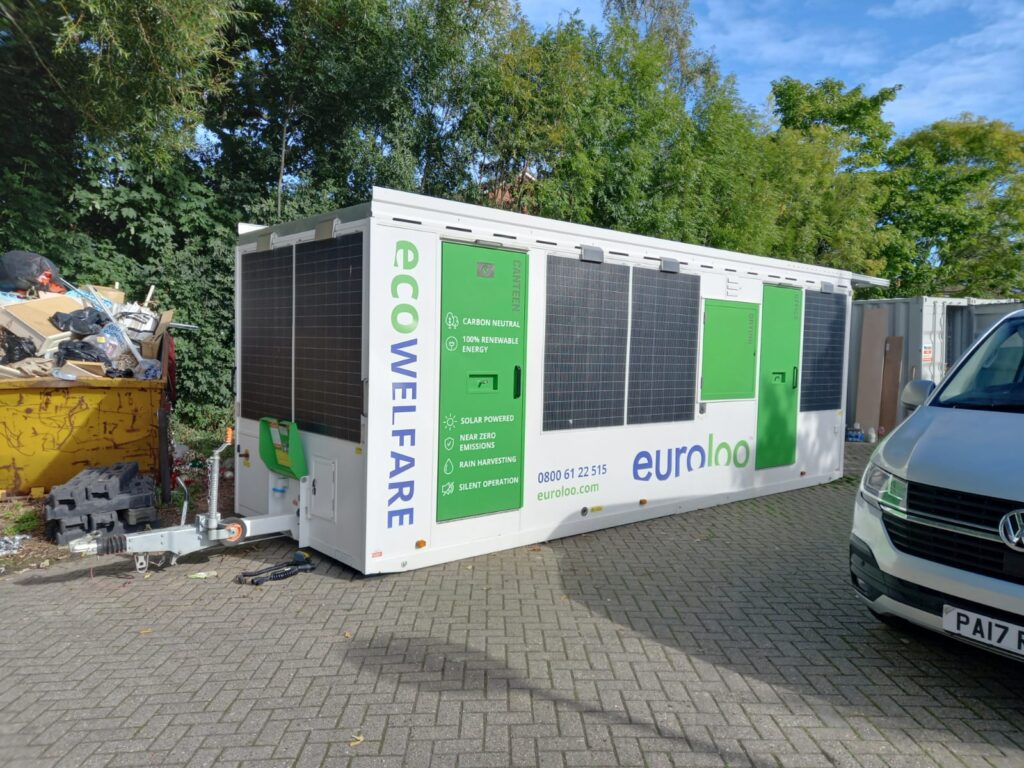
Many welfare units now include eco-friendly features: solar panels, energy-efficient appliances and recycled materials. These reduce environmental impact, align with sustainability goals and can lower running costs related to power or heating.
Conclusion
Highway maintenance welfare units are more than just regulatory boxes to tick. They contribute significantly to safety, worker well-being, project efficiency and sustainability. For contractors taking on road maintenance work, choosing the right welfare unit supplier isn’t simply practical, it’s strategic. With increasing infrastructure investment and tighter standards, these units are set to remain core to successful highway maintenance projects.
Ready to move your sites forward?
Our team is here to help you bring proven, sustainable welfare to your sites – with stock available across the country and investment continuing at pace.
FAQs
Will solar-powered welfare work year-round in the UK?
Yes. Modern systems pair high-efficiency solar with smart energy management and backup where required, so units remain reliable through winter and low-light periods.
What if my site has changing power and access constraints?
That’s exactly where solar welfare helps. Reduced generator dependence means fewer fuel deliveries and more flexibility on siting. Our in-house delivery and servicing teams handle deployment across projects of all sizes.