View our collection of projects where we’ve provided a range of welfare units and welfare cabins across projects nationwide. Learn how we can help you too.
City Fire Proofing needed an on-site welfare unit that offered essential amenities while reducing operational expenses and cutting carbon emissions. Conventional diesel-powered units were costly and did not align with their sustainability strategy.
During the development of renewable energy projects, Circular Renewables aimed to improve on-site welfare without increasing their carbon footprint. Traditional welfare units typically relied on fossil fuels, which conflicted with their sustainability commitments.
CBW Limited needed an on-site welfare unit that supported their sustainability goals while providing essential facilities for their workforce. Traditional diesel-powered welfare units were costly to run and conflicted with their carbon reduction objectives.
Caxton M&E required an on-site welfare unit that aligned with their environmental commitments and provided essential amenities for their workforce. Traditional diesel-powered welfare units were costly to operate and conflicted with their sustainability objectives.
Brownfield Solutions needed an on-site welfare unit that aligned with their environmental commitments and provided essential facilities for their workforce. Traditional diesel-powered welfare units were costly and did not support their sustainability goals.
As part of their green initiatives, Bristol & Avon Transport required an on-site welfare solution that aligned with their sustainability goals and offered essential facilities. Traditional diesel-powered units were costly and did not support their carbon reduction targets.
Brika Landscapes needed an on-site welfare unit that matched their sustainability goals while offering essential facilities for their workforce. Conventional diesel-powered welfare units were costly and conflicted with their environmental commitments.
With sustainability central to their operations, Breedon Group needed an on-site welfare solution that was both environmentally responsible and fully functional for their workforce. Traditional diesel-powered welfare units were costly and conflicted with their carbon reduction targets.
Broad Oak Properties required an on-site welfare solution that was both practical and aligned with their green initiatives. Traditional diesel-powered welfare units were costly and inconsistent with their sustainability goals.
BBL needed a welfare solution that would meet on-site needs without compromising their environmental values. Traditional diesel-powered units were not only expensive to run but also misaligned with their sustainability targets.
Operating across multiple sites, Bell Group required an on-site welfare solution that balanced practicality with environmental responsibility. Traditional diesel-powered welfare units were costly and conflicted with the company’s goal to reduce carbon emissions.
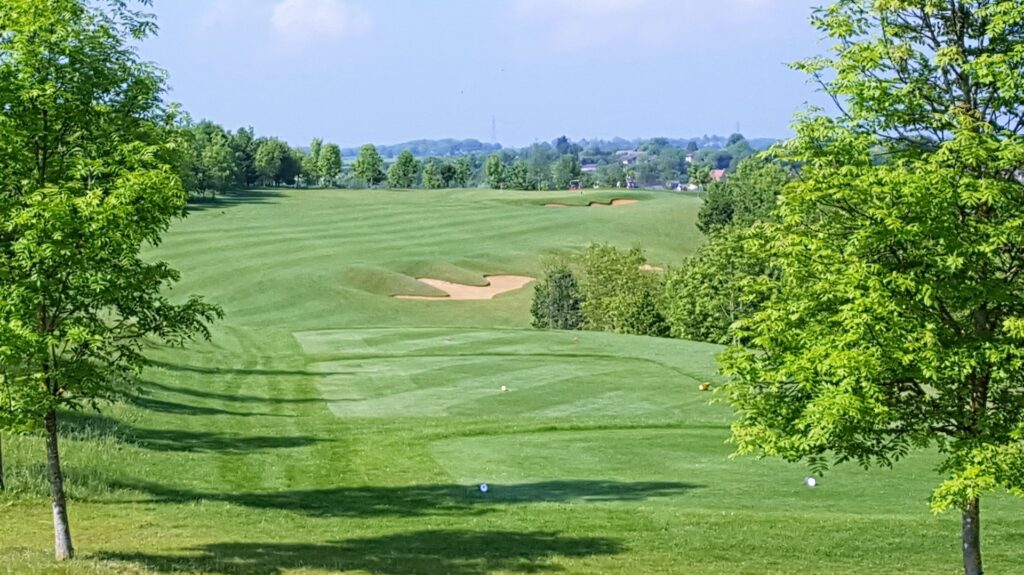
With ongoing course maintenance, renovations, and events, Bedfordshire Golf Club required an on-site welfare solution that balanced practicality with sustainability. Traditional diesel-powered welfare units were expensive and at odds with the club’s commitment to lowering carbon emissions.