View our collection of projects where we’ve provided a range of welfare units and welfare cabins across projects nationwide. Learn how we can help you too.
Ensuring proper welfare facilities for site teams is essential for compliance, workforce wellbeing and productivity. Traditional welfare units powered by diesel generators contribute to high fuel costs and carbon emissions.
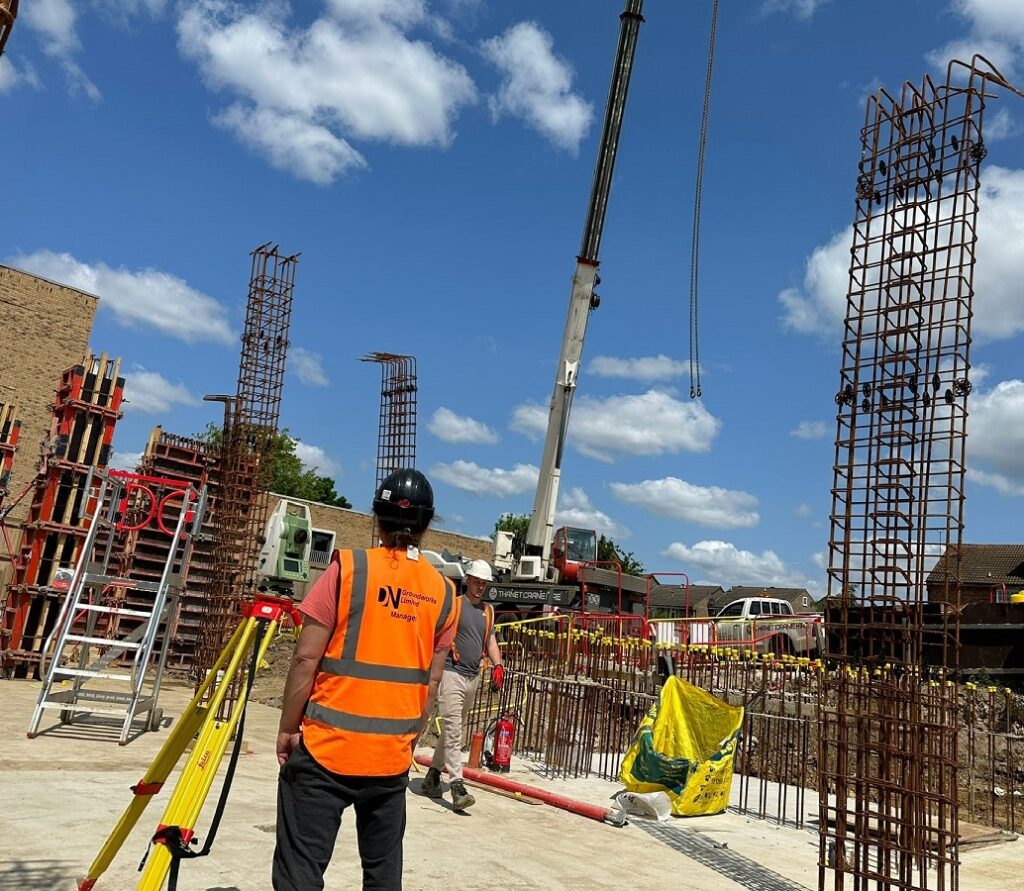
Reliable on-site welfare facilities are crucial to maintaining workforce wellbeing and operational efficiency. Traditional diesel-powered welfare units led to high running costs and significant carbon emissions, which conflicted with DN Groundworks’ sustainability commitments.
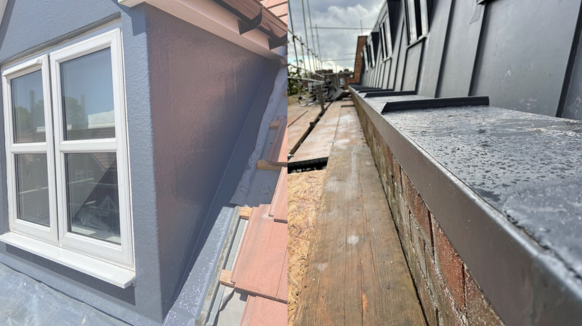
Reliable on-site welfare facilities are vital for maintaining workforce wellbeing and efficiency. Traditional diesel-powered welfare units incurred high running costs and contributed significantly to carbon emissions, conflicting with DJ Southern Roofing’s sustainability commitments.
Ensuring staff have access to dependable on-site welfare facilities is crucial for productivity and wellbeing. Traditional diesel-powered welfare units carried high operational costs and a significant carbon footprint, conflicting with Dirt Factory’s sustainability goals.
Providing welfare facilities for on-site teams is crucial for productivity and wellbeing. Traditional diesel-powered units incurred high running costs and a significant carbon footprint, conflicting with Decotex’s commitment to sustainability.
Providing welfare facilities for on-site teams is crucial for productivity and wellbeing. Traditional diesel-powered units came with high running costs and a significant carbon footprint, which conflicted with D&N Maintenance’s sustainability goals.
Security teams often work long hours in demanding conditions, making high-quality welfare facilities crucial for their wellbeing and productivity. Traditional diesel-powered welfare units posed challenges, including high operational costs and excessive carbon emissions.
Providing on-site welfare facilities that meet environmental standards and ensure staff wellbeing is a key challenge for Craven Environmental. Traditional diesel-powered units conflicted with their sustainability goals, presenting high fuel costs and emissions.
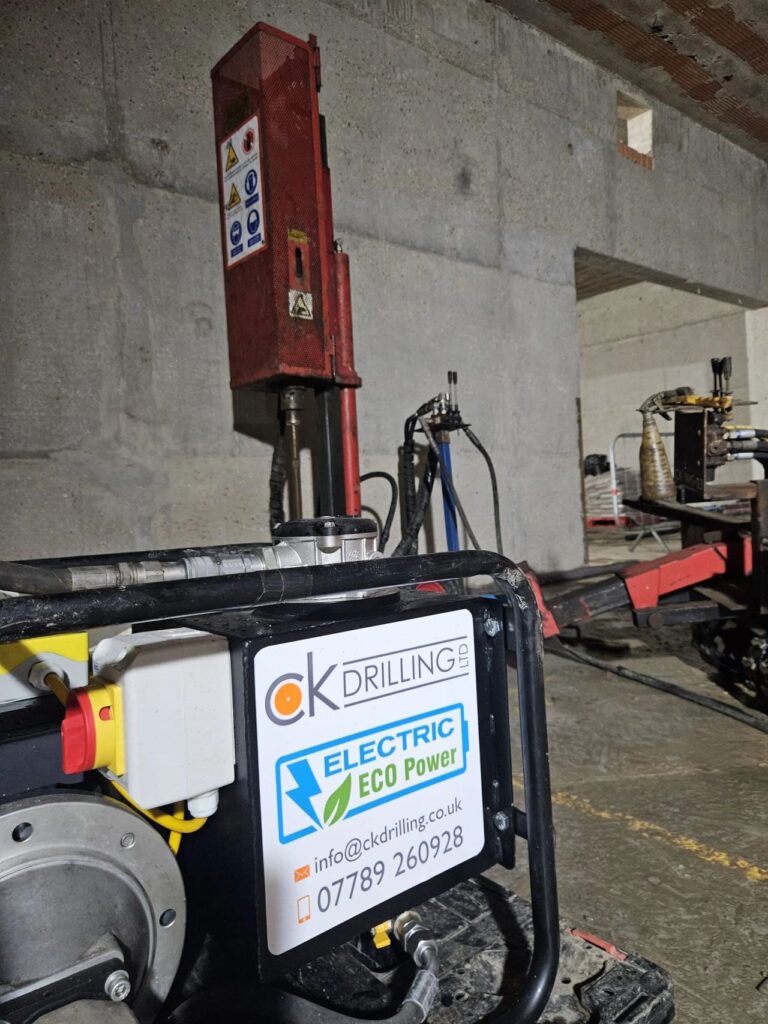
On-site welfare is essential for maintaining workforce wellbeing and efficiency, especially in demanding drilling environments. Traditional diesel-powered welfare units presented high operational costs and environmental concerns, conflicting with the company’s commitment to sustainability.

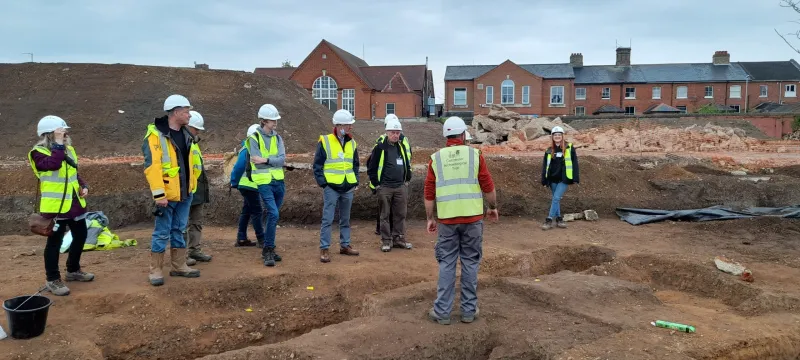
Archaeological digs require on-site welfare facilities to ensure the comfort and efficiency of teams working in demanding conditions. Traditional diesel-powered units were not only costly but also contradicted the trust’s environmental values
Clements needed a welfare unit that provided essential facilities for their on-site teams, including sanitation and rest areas, while aligning with their sustainability objectives. Traditional fuel-powered units were costly and did not support their drive to lower emissions.
The City of London Police required a welfare unit that would offer comfort and functionality while supporting their commitment to reducing carbon emissions. Traditional diesel-powered units were costly to maintain and did not align with their sustainability objectives.